Botswana
Parks: Chobe National Park, Moremi Game Reserve · best months June, July, August, September, October (June to October)
Jan
Feb
Mar
Apr
May
Jun
Jul
Aug
Sep
Oct
Nov
Dec
Animals · Savanna · 2026
Updated September 8, 2026 · Plan your trip
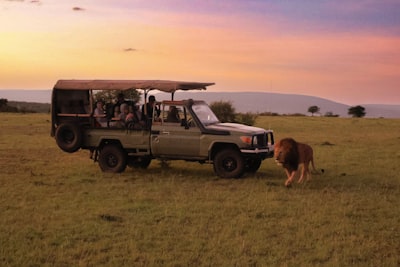
The dry months June to October give the highest odds because prey animals gather around permanent water and the low grass removes cover. Botswana offers smaller groups of vehicles at a sighting, Tanzania offers bigger prides and the combination with the migration. Count on 2 to 4 game drives for a first good sighting.
The lion is the most sought-after safari animal in Africa and at the same time the easiest to find if you go in the dry season. Prides hold fixed territories around water, so good guides locate them almost daily in the Serengeti and Chobe. Travel between June and October and you see them hunting actively in the cool morning hours.
Vulnerable. About 23,000 wild lions remain, declining through habitat loss and conflict with livestock farmers.
Parks: Chobe National Park, Moremi Game Reserve · best months June, July, August, September, October (June to October)
Parks: Serengeti, Ngorongoro Crater · best months June, July, August, September, October (June to October)
Shoot in the first hour after sunrise with backlight for the manes. Keep 200 to 400 mm at hand, lions tolerate vehicles down to about 20 meters.
Yes, suitable from about 6 years. Game drives are long and sitting still is required; pick lodges with a pool for the midday break.
Combines in one trip with elephant, leopard, rhino and buffalo. Botswana covers lion plus elephant in Chobe in one day.
Readers support Animals Around the World when you book through these partners, at no extra cost to you. Read how affiliate works.
Best for safari
Safaribouwer (example)
Puts together your Botswana or Tanzania route with local guides.
! Watch out: prices shift per season, always ask for a detailed quote.
Best for flights
Ticketzoeker (example)
Compares flights to safari hubs like Maun and Kilimanjaro.
! Watch out: check baggage rules for charter flights separately.
Best for activities
Tourplatform (example)
Books whale watching or day tours with free cancellation.
! Watch out: always check the cancellation terms per provider.
Botswana (Chobe, Moremi) and Tanzania (Serengeti, Ngorongoro) give the highest odds, especially June to October. Local densities there run about 10 to 14 lions per 100 square kilometres in core areas.
June to October, the dry season. Animals gather at water and the short grass makes spotting easy. January to March is the calving season of prey animals, when prides hunt more often by day.
As an indication, 3,500 to 6,000 euros per person for 9 days in Botswana or Tanzania including flights, parks and guide. South Africa self-drive can come out 1,500 to 2,500 euros cheaper.
In a vehicle with a guide the risk is negligible. Lions see vehicles as one object and almost never attack it. Always stay seated and follow the guide.
Yes. In the Serengeti the prides follow the wildebeest. July to September in the north and January to March at Ndutu give lion plus migration in one game drive.
At least 4 game drives spread over 3 days per park. Combining 2 parks takes 7 to 9 days of travel.
The Serengeti and Masai Mara hold big coalitions with heavy manes. In Tsavo and parts of Botswana manes are thinner because of thorns and heat.
Lions hunt a lot at night, but night drives are only allowed in private concessions (including Sabi Sand, Okavango). National parks run a daylight regime.
Last updated: September 8, 2026. All sighting chances, months and prices are indications based on public sources, not travel advice and no guarantee. Always check your government’s current travel advisory before departure.